
CONTACT US
If you have any queries, get in touch today! Don't hesitate. We try to take the extra step for our customer satisfaction.

ENTERPRISE VR
NEWS
How Are Mini Excavators Packaged for International Shipping?
2026-10-11 15:08:52
Click:
“
Learn how mini excavators are prepared, packaged, and secured for international shipping. Discover export packaging methods, container loading, and tips for safe delivery.
”
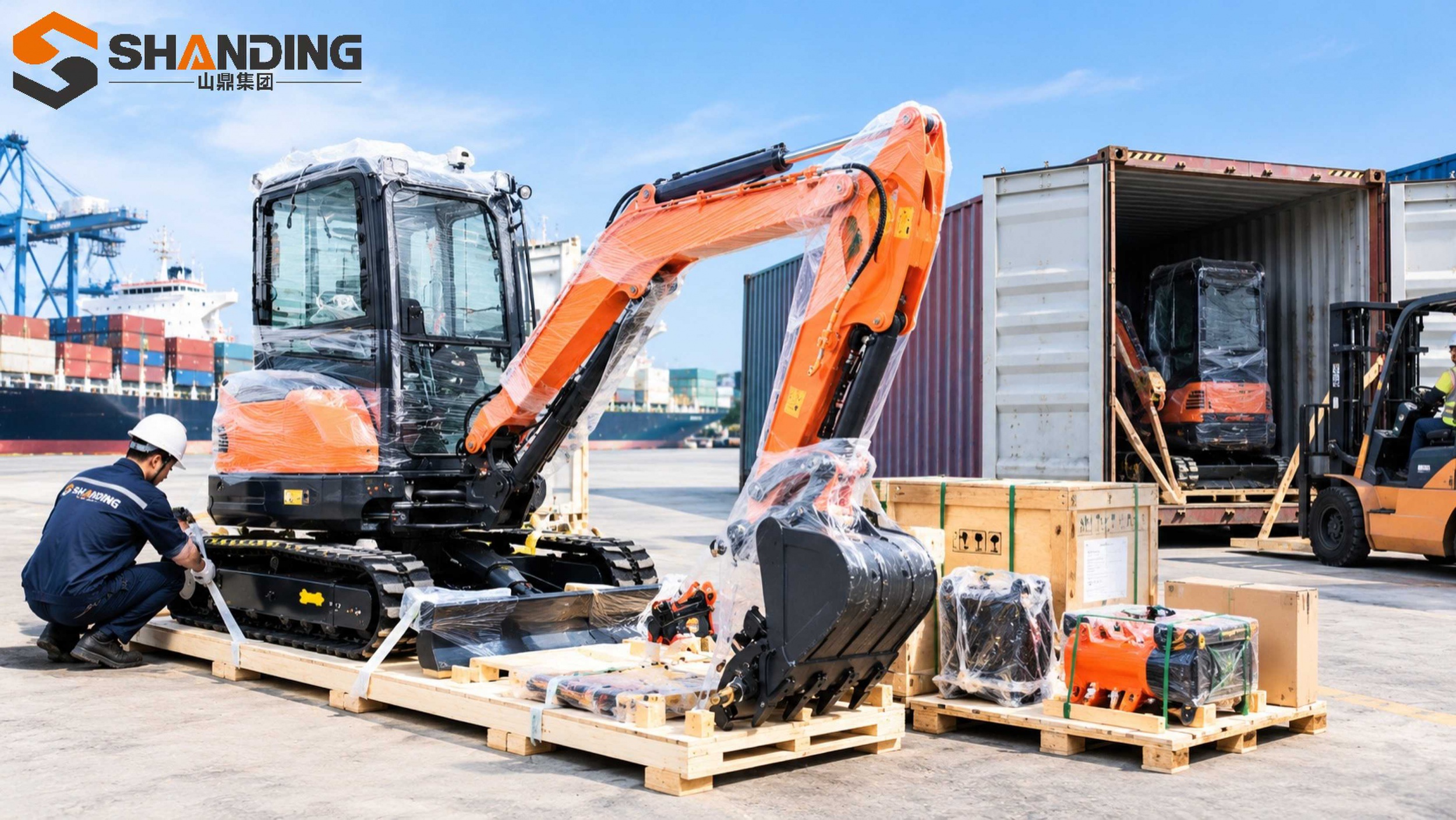
When purchasing a mini excavator from an overseas manufacturer, packaging and transportation are important parts of the delivery process. Proper export packaging helps protect the machine from scratches, moisture, corrosion, and movement during handling and transit.
But how are mini excavators packaged for international shipping? The process typically includes pre-shipment inspection, machine preparation, protective packaging, cargo securing, container loading, and export documentation.
In this guide, we explain the key steps involved in preparing a mini excavator for international transportation and what buyers should know before placing an order.
1. Pre-Shipment Inspection Before Packaging
Before a mini excavator is packed for export, it should undergo a pre-shipment inspection. This step helps identify visible damage and ensures that the machine is ready for transportation.
The inspection may include:
- Checking the machine's exterior, boom, arm, bucket, and undercarriage.
- Inspecting hydraulic hoses, visible connections, and other exposed components.
- Confirming the machine model, serial number, and ordered configuration.
- Checking the engine compartment and accessible fluid levels.
- Verifying that the supplied attachments and accessories match the order.
- Taking photographs of the machine before packaging.
Any issues identified during inspection should be addressed and documented before shipment.
For overseas buyers, pre-shipment photographs and inspection records can also provide a useful reference when the equipment arrives at its destination.
2. Preparing the Mini Excavator for Transportation
After inspection, the machine needs transport preparation. The exact process depends on machine design, shipping method and carrier requirements.
Clean the Machine
Clear loose soil, mud and debris from tracks, undercarriage, bucket and other accessible areas. Cleanliness makes inspection easier and satisfies biosecurity import rules. Confirm destination country requirements before shipment.
Secure Movable Components
Position and fasten the boom, arm, bucket, blade and other movable parts. This prevents shifting during lifting, loading and transit, and securing methods must suit the machine structure and shipping arrangement.
Check Fluids and Battery Requirements
Inspect fuel, engine oil, hydraulic oil, coolant and battery following manufacturer and carrier instructions. Fuel draining or battery disconnection is not always needed; requirements are based on transport type, regulations and carrier policies.
3. Choosing the Right Mini Excavator Export Packaging
There is no universal packaging method for all mini excavators. The best choice depends on machine dimensions, destination, shipping route, handling needs and budget. Common packaging and protection options are listed below.
Protective Film and Surface Protection
Protective film or similar covers can reduce scratches and surface contamination. Exposed metal needs anti-corrosion treatment, especially for humid transit or long storage. The protective materials must not trap moisture on sensitive surfaces.
Steel Frames or Transport Supports
Custom steel frames or supports add reinforcement during handling and transport. The structure must match the machine’s weight and shape, enable safe lifting and avoid unstable placement.
Wooden Crates and Pallets
Wooden crates or pallets are suitable for spare parts, small attachments and tools. For international shipments, verify import rules; solid wood packaging must comply with ISPM 15 treatment and marking standards. A whole mini excavator usually does not require full wooden crate packing. Select packaging based on actual protection and handling demands.
4. How Are Mini Excavators Loaded into Shipping Containers?
Container loading is critical for international shipment. Before loading, exporters or logistics providers must confirm the machine’s size, weight and loading plan match the transport equipment.
Step 1: Measure the Machine
Record the mini excavator’s overall length, width, height and shipping weight in transport configuration. Dimensions change with boom angle, blade orientation, cab/canopy and removed parts.
Step 2: Check Container Dimensions
20ft or 40ft standard containers may fit some mini excavators. Besides container length, check usable internal space, door opening, payload limit, floor load, clearance and securing space. Larger machines may need alternative transport solutions.
Step 3: Load the Machine Using Suitable Equipment
Use proper loading tools operated by trained staff. The loading surface must bear the machine weight and follow the loading plan. Do not let the excavator drive into the container unless ramp capacity, clearance, traction and operating space are verified.
Step 4: Secure the Cargo
After loading, fix the machine to prevent shifting during transit. Securing methods include restraints, track stops and bracing. Choose restraints by machine weight, transport loads and cargo lashing rules, and use proper anchor points. Lock the boom, bucket and other movable parts safely for the whole voyage.
5. How to Protect Mini Excavators During Ocean Freight
Ocean freight exposes machinery to humidity, condensation, salty air and temperature changes. Proper protection reduces corrosion and transit damage.
Protect exposed metal surfacesApply compatible corrosion inhibitor to vulnerable metal parts when needed. Follow instructions from the inhibitor and machine manufacturer.
Protect electrical and hydraulic componentsUse proper materials to shield sensitive electrical connections and exposed parts. Keep hydraulic hoses and fittings clean and protected against impact. Protective covers must not block inspection, ventilation or component operation.
Consider transit time and storage conditionsLonger shipping/storage time means greater need for moisture protection and destination environment assessment. For long storage or tough shipping routes, exporters and logistics providers shall confirm a protection plan before shipment.
6. What Documents Are Needed for International Shipping?
Packaging is only one part of an export shipment. Buyers should also confirm that the required shipping and customs documents are prepared.
Depending on the transaction and destination, these may include:
- Commercial invoice
- Packing list
- Bill of lading or other applicable transport document
- Certificate of origin, if required
- Customs declaration and supporting documents
- Product or conformity documentation required by the destination market
The required documents vary by country, product classification, and transaction terms. Buyers should confirm the applicable requirements with their customs broker or freight forwarder before shipment.
It is also useful to confirm the machine model, serial number, quantity, package details, and declared weight across the relevant documents.
7. What Should Buyers Check Before Shipment?
Before a mini excavator leaves the factory, overseas buyers can request confirmation of several important details.
Machine condition
- Are the machine's visible surfaces and components in acceptable condition?
- Have the ordered model and configuration been confirmed?
- Are the supplied attachments and accessories accounted for?
Packaging and loading
- What protective materials or transport supports will be used?
- Is the machine suitable for the planned container or transport method?
- Has the cargo-securing arrangement been checked?
Shipping arrangements
- Have the shipping dimensions and weight been confirmed?
- Are the required documents being prepared?
- Have the delivery terms, insurance arrangements, and responsibility for loading been agreed upon?
A clear checklist helps both the supplier and the buyer coordinate the shipment and resolve potential issues before dispatch.
8. How Can You Reduce Mini Excavator Shipping Risks?
Although no packaging method can eliminate every transportation risk, a well-planned shipping process can help reduce preventable problems.
Here are four practical recommendations:
- Choose packaging based on the actual shipment. Consider the machine's dimensions, route, handling method, and destination conditions.
- Document the machine's condition. Keep photographs and inspection records before packaging and loading.
- Use an appropriate cargo-securing plan. Ensure the machine and its components are restrained in accordance with applicable requirements.
- Coordinate with the logistics provider early. Confirm container suitability, loading arrangements, shipping documents, and destination-country requirements before dispatch.
For importers and equipment dealers, these preparations help improve shipment visibility and make receiving inspections easier.
Conclusion
Mini excavator packaging for international shipping involves more than simply covering a machine or placing it inside a container. It requires careful preparation, suitable protective materials, appropriate loading arrangements, effective cargo securing, and accurate export documentation.
The right solution depends on the machine model, shipping route, transportation method, and destination requirements. Working with an experienced construction equipment manufacturer and logistics provider can help buyers plan these details before the equipment leaves the factory.
Looking for a mini excavator for your market? Contact Shanding to discuss available models, machine dimensions, export packaging options, and shipping arrangements for your order.

